

Generous gifts, from people like you, helped us be there when North Queensland needed us most.
When the North and Far North Queensland Tropical Low struck in January and February, our teams were deployed to support communities facing yet another disaster.
The headlines captured the immediate crises, but your support made something equally important possible – being there for the long journey that follows.
Townsville received almost an entire year’s worth of rain in just over a week. Streets filled with water-damaged belongings told one story, but it was the human stories that revealed the true impact.
In evacuation centres and recovery hubs across 12 locations, our Community Recovery Team provided something precious—the gift of being truly heard.
They offered 7,300 psychological first aid sessions and connected over 12,000 people to essential services. But behind these numbers were moments of profound human connection.
Elderly residents worried about accessing medications and getting to medical appointments. Families faced the heartbreak of displacement, not knowing when they could return home.
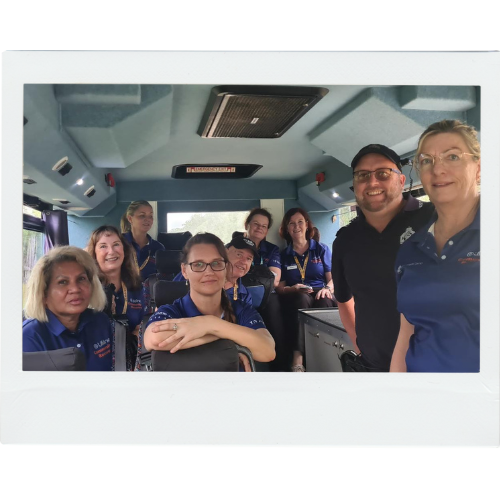

Many communities carried the additional weight of previous flood memories, making this disaster feel even heavier. As one of our Crisis Supporters shared:
“Sometimes, the most powerful thing we can do is simply sit with someone in their pain and let them know they’re not alone.”
Your support made this possible—funding trained professionals who understood that recovery isn’t just about clearing mud and replacing belongings.
For North Queensland farmers, Ross from our Farmer to Farmer Program joined recovery efforts at a pop-up hub where over 170 farmers came together to share their experiences and access support.
As floodwaters receded, the emotional impact often deepened. We heard from people overwhelmed by anxiety about more rain, the stress of being displaced, and grief over losing precious possessions.
Your generosity ensured our 24/7 crisis line remained fully staffed while team members were deployed to flood zones.
The response across North Queensland revealed something beautiful about human nature. Neighbours shared limited supplies with strangers. Spare rooms were offered to families they’d never met.
Your support amplified this natural compassion, ensuring professional help was available alongside community care.
Because of people like you, no one facing their darkest moments had to do so alone. When disaster strikes, the headlines capture the moment.
But recovery—that’s the longer journey your kindness makes possible.
Preparing for natural disasters
When weather warnings sound, physical preparations are crucial— but psychological preparation is equally important for navigating the stress disasters bring.
The AIME approach:
ANTICIPATE your reactions. Expect to feel worried or anxious—these are normal responses to potentially dangerous situations. Remember how you’ve handled stress before.
IDENTIFY feelings and thoughts. Notice physical symptoms like racing heart or tense muscles. Pay attention to thoughts like “I can’t cope.” Recognising these helps you manage them.
MANAGE your responses. Use controlled breathing: take smaller breaths, pause between them, breathe out slowly while saying “Stay calm.” Replace frightening thoughts: “The calmer I am, the better I’ll handle this.”
ENGAGE with trusted people. Connect with someone you trust. Share your feelings. Feeling supported is crucial during high-stress situations.
Common traps to avoid
Don’t assume you’re powerless—while you can’t control the disaster, you can control your response. Stay alert to new warnings even after hearing many. Don’t rely solely on technology or services to prevent harm.
Getting help
If stress becomes overwhelming, professional support is available through your GP, psychologists, or Lifeline (13 11 14). Seeking help shows strength, not weakness.
Based on Australian Psychological Society guidance.


